
Understanding Repossession and Its Impacts
Repossession refers to the legal process by which a creditor takes back property or assets that were secured under a loan or credit agreement when the borrower fails to meet the payment obligations. This process typically occurs when an individual defaults on loan payments, leading to significant disruptions in their financial situation. The most common items subjected to repossession include vehicles, furniture, and electronics, which are often procured through financing or leasing agreements.
The legal mechanism behind repossession varies by jurisdiction but generally involves a few critical steps. Initially, a creditor must notify the borrower of the default status and provide an opportunity to remedy the situation. If the borrower fails to respond by either paying the owed amount or negotiating new terms, the creditor can proceed with repossession. The actual retrieval of the property can sometimes occur without a court order, especially when the terms of the contract have been breached; however, in many cases, repossession may necessitate legal proceedings. Following the repossession, the borrower may be held liable for any outstanding debt that exceeds the value of the repossessed item.
Individuals facing repossession often experience considerable emotional and financial stress. The potential loss of a vehicle, for instance, can disrupt daily life, impacting employment and transportation needs. Financial impacts may include not only the loss of the asset but also diminished credit scores, leading to higher interest rates on future loans or the inability to secure new credit. Moreover, the stigma and shame associated with repossession can exacerbate the emotional toll, creating feelings of anxiety, depression, or helplessness. Consequently, repossession is not merely a financial issue; it can also affect an individual’s overall mental well-being.
The Role of Debt Relief in Financial Recovery
Debt relief is a critical component in the financial recovery process for individuals facing significant fiscal challenges. It encompasses various strategies and methods aimed at reducing or eliminating one’s debt burden, thereby enabling individuals to regain control over their finances. In the context of financial distress, seeking debt relief is not merely a question of eliminating debt; rather, it serves as a pathway towards restoring financial stability and fostering long-term economic health.
One prevalent approach to achieving debt relief includes debt consolidation, wherein multiple debts are combined into a single loan with a more manageable interest rate and payment schedule. This method simplifies the repayment process and can result in a lower overall financial obligation. Additionally, negotiation with creditors can lead to settlements that reduce the total debt amount owed; this process falls under the category of debt settlement. These methods, along with others such as credit counseling, provide individuals with the tools they need to alleviate excessive financial pressure and avoid long-term repercussions, such as repossession of assets.
Furthermore, in instances where individuals are at risk of repossession, strategies like the implementation of a payment plan can offer temporary reprieve and simultaneously demonstrate a commitment to addressing outstanding debts. By initiating a debt relief strategy, individuals can navigate their financial landscape more effectively, ultimately working towards a solution that prevents the loss of crucial assets.
Overall, the significance of debt relief cannot be understated; it lays the groundwork for individuals seeking to overcome financial distress. This proactive approach enhances the likelihood of avoiding repossession while unleashing the potential for restored financial well-being. Understanding these various debt relief options is essential for those who wish to embark on the path to recovery.
Introduction to Chapter 13 Bankruptcy
Chapter 13 bankruptcy is a form of debt relief that allows individuals to reorganize their debts and create a structured repayment plan while retaining their property and assets. It is particularly beneficial for those facing financial difficulties, such as the risk of repossession of valuable assets, including homes and vehicles. This option is designed for individuals with a regular income, making it distinct from Chapter 7 bankruptcy, which primarily involves liquidating assets to pay off creditors.
To be eligible for Chapter 13 bankruptcy, individuals must meet specific criteria set forth by federal law. Primarily, the debtor must have a reliable source of income, regardless of whether it is from employment, pensions, or other avenues. Additionally, there are limits on the amount of secured and unsecured debts an individual can have, which ensures that Chapter 13 is accessible for those with manageable debts seeking to avoid liquidation of their assets.
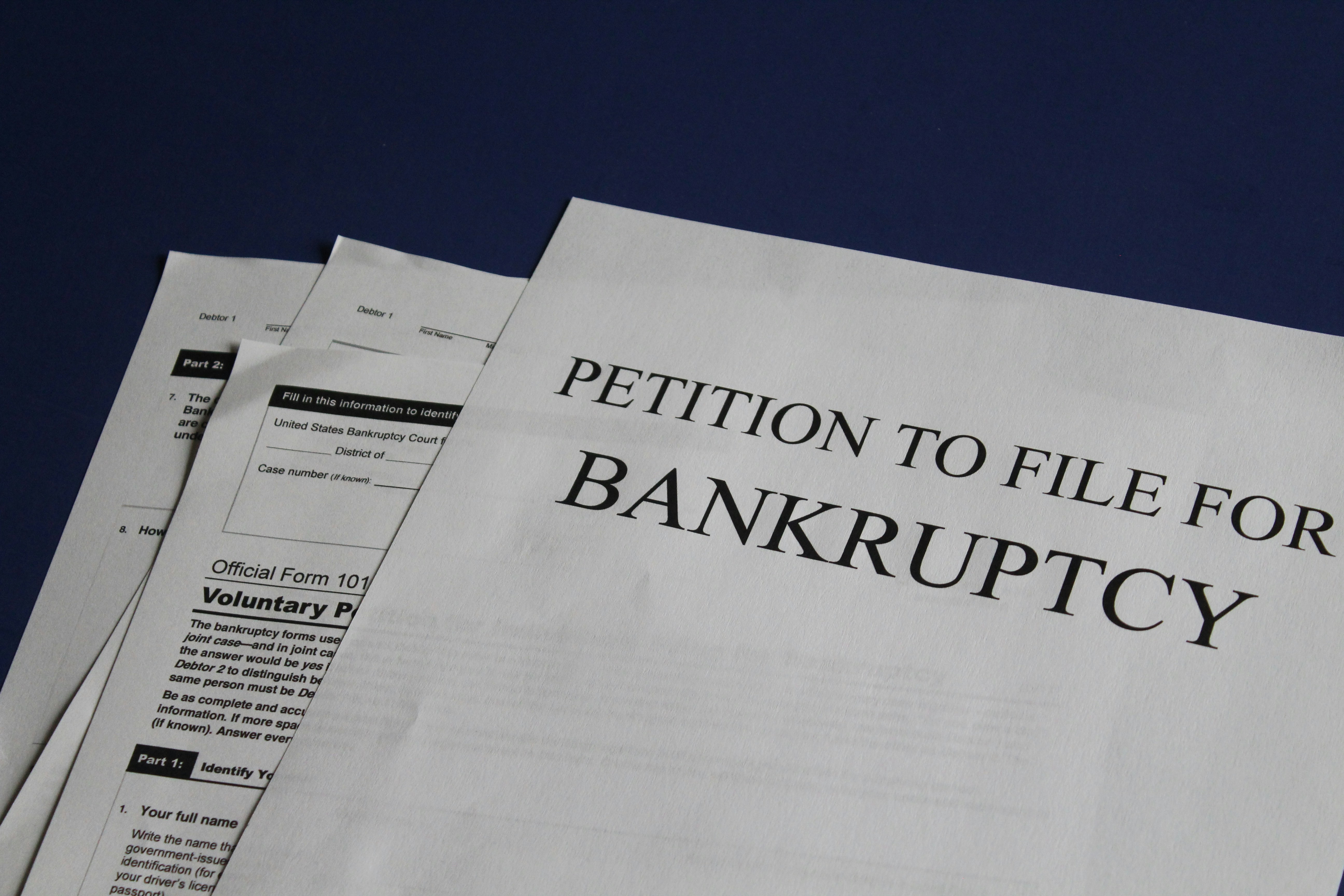
The process of filing for Chapter 13 bankruptcy begins with submitting a petition to the bankruptcy court, which outlines the debtor’s financial situation, including income, expenses, debts, and assets. Following this, the individual proposes a repayment plan, typically lasting three to five years, based on their income and financial circumstances. This plan must be approved by the court and, once confirmed, provides legal protection from collection actions, including repossession, allowing debtors to focus on fulfilling their obligations while safeguarding their assets.
In contrast to Chapter 7 bankruptcy, which may require individuals to surrender significant assets, Chapter 13 bankruptcy empowers debtors to retain ownership of their property while diligently managing their debts. This attribute makes Chapter 13 an appealing alternative for individuals looking to recover from financial hardships without sacrificing essential property.
How Chapter 13 Bankruptcy Works
Chapter 13 bankruptcy serves as a vital legal tool for individuals seeking to reorganize their debts while maintaining their assets. The process begins when the debtor files a petition with the bankruptcy court, accompanied by various financial documents detailing their income, expenses, and debts. This initial filing triggers an automatic stay, effectively halting any ongoing foreclosure proceedings or collection activities against the debtor.
Following the filing, the debtor proposes a repayment plan, outlining how they intend to repay a portion of their debts over three to five years. This plan is submitted to the bankruptcy court for approval and is crucial for successfully navigating Chapter 13 bankruptcy. The repayment plan must be feasible, ensuring the debtor can adhere to the schedule based on their current financial circumstances. The plan must also adhere to specific requirements, including the prioritization of certain debts. For instance, secured debts, like mortgages or car loans, are typically prioritized as these debts put the debtor’s assets at risk of repossession.
Once the court approves the repayment plan, the debtor makes regular monthly payments to a bankruptcy trustee, who then distributes these funds to creditors in accordance with the established plan. The trustee plays a central role in the process, ensuring adherence to the repayment schedule and mediating between the debtor and creditors. In this framework, it is vital that the debtor remains committed to the payment schedule, as failing to do so could result in the dismissal of the bankruptcy case, thereby jeopardizing any potential debt relief.
Overall, Chapter 13 bankruptcy not only offers a structured method for debt repayment but also provides a protective environment for debtors striving to regain their financial footing while safeguarding their property. The structured approach ensures that both the debtor and creditors have clarity on obligations, fostering a more manageable path to financial recovery.
Benefits of Chapter 13 Bankruptcy for Oklahomans
Chapter 13 bankruptcy offers numerous advantages specifically tailored to meet the financial needs of Oklahomans facing overwhelming debt. One of the most significant benefits is the automatic stay provision. This legal mechanism halts all collection activities, including repossession, immediately upon filing for bankruptcy. This means that individuals can temporarily protect their property, whether it is their home, vehicle, or other crucial assets, thereby gaining essential breathing room to restructure their finances.
Another key advantage of Chapter 13 is the ability to retain ownership of property. Unlike Chapter 7 bankruptcy, which may require liquidation of assets to repay creditors, Chapter 13 allows individuals to keep their assets while making affordable monthly payments through a structured repayment plan. This feature is particularly advantageous for Oklahomans who have fallen behind on mortgage or car payments but wish to keep their homes or vehicles. The plan typically lasts three to five years, providing a manageable timeline to catch up on missed payments in a manner that fits their budget.
In addition to asset retention, Chapter 13 bankruptcy offers favorable treatment for certain types of debts. For instance, unsecured debts, such as medical bills and credit card balances, may be reduced significantly during the repayment period, alleviating some of the financial pressure. Moreover, this bankruptcy option can also help individuals negotiate lower interest rates on secured debts, making the total repayments more manageable. As a result, Oklahomans can take steps toward regaining their financial stability while avoiding the immediate repercussions of bankruptcy such as asset liquidation or foreclosure.
The Importance of Working with a Bankruptcy Attorney
Navigating the complexities of Chapter 13 bankruptcy can be a daunting task for many individuals in Oklahoma who are seeking debt relief. The significance of engaging a knowledgeable bankruptcy attorney cannot be overstated, as their expertise plays a crucial role in guiding clients through the legal intricacies inherent in the process. An attorney specialized in bankruptcy law understands the various procedural requirements and nuances that can profoundly impact the outcome of bankruptcy filings.
An experienced bankruptcy attorney assists clients in understanding their rights and obligations throughout the Chapter 13 process. This includes providing clear explanations of the repayment plan, which must be submitted to the court for approval. The attorney can tailor the plan to the client’s specific financial situation, ensuring that it meets legal standards while also being manageable for the individual. Additionally, an attorney can help in dealing with creditors, negotiating terms, and potentially reducing the overall debt amount, which can alleviate some of the stress associated with the process.
Moreover, individuals pursuing Chapter 13 bankruptcy may encounter various legal challenges, such as objections from creditors or issues related to the approval of their repayment plan. A qualified attorney is an invaluable resource in these scenarios, leveraging their understanding of bankruptcy law to effectively address these challenges. They can provide representation in court, ensuring that the client’s interests are advocated for at every stage. Ultimately, seeking professional guidance not only enhances the likelihood of a favorable outcome but also empowers individuals in Oklahoma to make informed decisions during this critical time.
Real-Life Success Stories: Oklahomans Who Stopped Repossession
Chapter 13 bankruptcy has provided numerous Oklahomans with a lifeline, allowing them to navigate the often daunting process of halting repossession proceedings. One such inspiring story comes from Mark, a resident of Tulsa, who faced the threat of losing his vehicle due to mounting debt. With the help of a skilled bankruptcy attorney, Mark filed for Chapter 13 and was able to restructure his debt repayment plan. This legal provision allowed him to catch up on his car payments while simultaneously managing other financial obligations. In just a few short years, Mark successfully regained control of his finances, ensuring he could retain his vehicle and maintain his daily commute without the worry of repossession looming over him.
Another impactful case is that of Susan from Oklahoma City. After experiencing a significant reduction in her income due to a layoff, she struggled to keep up with her mortgage payments. Facing imminent foreclosure, she sought advice and opted for Chapter 13 bankruptcy. Through this process, Susan was able to consolidate her unsecured debts into a manageable monthly payment plan, all while ensuring her home remained secure. Over the course of her repayment plan, Susan not only preserved her home but also made strides towards regaining her financial stability.
These success stories illustrate how Oklahomans have leveraged Chapter 13 bankruptcy to halt repossession proceedings and regain their financial footing. Each of these individuals faced unique challenges, yet the common thread among their experiences is the sense of empowerment they found through this legal process. By enlisting the help of professionals and committing to a structured repayment plan, they transformed their situations from despair to hope, proving that Chapter 13 bankruptcy can be a critical tool for those in need of debt relief.
Steps to Take Before Filing for Chapter 13 Bankruptcy
Before initiating the Chapter 13 bankruptcy process, it is crucial for individuals in Oklahoma to conduct a comprehensive assessment of their financial situation. The first step involves evaluating income sources, regular expenses, and any outstanding debts. This assessment not only helps in understanding one’s financial health but also highlights the necessity for intervention through bankruptcy protection. It may be beneficial to create a detailed budget that outlines all income and expenses to gauge the extent of financial distress.
Next, individuals should gather all necessary documentation that will be required during the filing process. Essential documents include proof of income, tax returns from the past few years, bank statements, and utility bills. Additionally, a complete list of all debts must be prepared, detailing the amount owed to each creditor, the nature of the debt, and any relevant account numbers. This will facilitate a smooth transition into the filing process, ensuring that no claims are overlooked.
Furthermore, it’s advisable to consult a financial advisor or a bankruptcy attorney who specializes in Chapter 13 bankruptcy. These professionals can provide tailored advice about debt management plans and can clarify the implications of bankruptcy on various aspects of an individual’s finances. They can also assist in preparing the repayment plan that is required for Chapter 13 filings. Seeking legal counsel is particularly beneficial, as the complexities of bankruptcy laws can be challenging for individuals to navigate alone.
Ultimately, taking the time to properly prepare before filing can greatly increase the chances of a successful bankruptcy resolution. By thoroughly assessing their financial situation, gathering the appropriate documentation, and consulting with experienced professionals, Oklahomans can approach the Chapter 13 bankruptcy filing process with greater confidence and clarity.
Conclusion: Seeking Debt Relief Through Chapter 13 Bankruptcy
In navigating financial difficulties, Chapter 13 bankruptcy emerges as a vital option for Oklahomans facing repossession. This path not only helps to halt the immediate threat of losing valuable assets but also provides a structured approach to debt management. By allowing individuals to reorganize their debts, this form of bankruptcy promotes a sense of financial stability, enabling them to regain control over their financial futures.
One of the most significant advantages of Chapter 13 bankruptcy is its ability to create a feasible repayment plan that aligns with the individual’s financial capacity. This plan can span up to five years, allowing borrowers the time they need to meet their obligations without the added pressure of repossession. For many, this option offers a second chance, paving the way for recovery and long-term financial health.
Furthermore, filing for Chapter 13 bankruptcy can lead to the discharge of certain unsecured debts, providing much-needed relief to borrowers. It serves as a reminder that various avenues exist for those who are struggling to make ends meet. It is paramount for individuals to explore their options thoroughly and consult with knowledgeable professionals who can guide them through the complexities of the bankruptcy process.
Ultimately, Chapter 13 bankruptcy can be a beacon of hope for those in Oklahoma looking to stop repossession and achieve financial stability. With a proactive approach and the right support, individuals can embark on a journey toward recovery, embracing the potential for a brighter financial future. Seeking out resources and legal counsel is an essential step in this process, as it empowers individuals to make informed decisions that will benefit their situations in the long run.